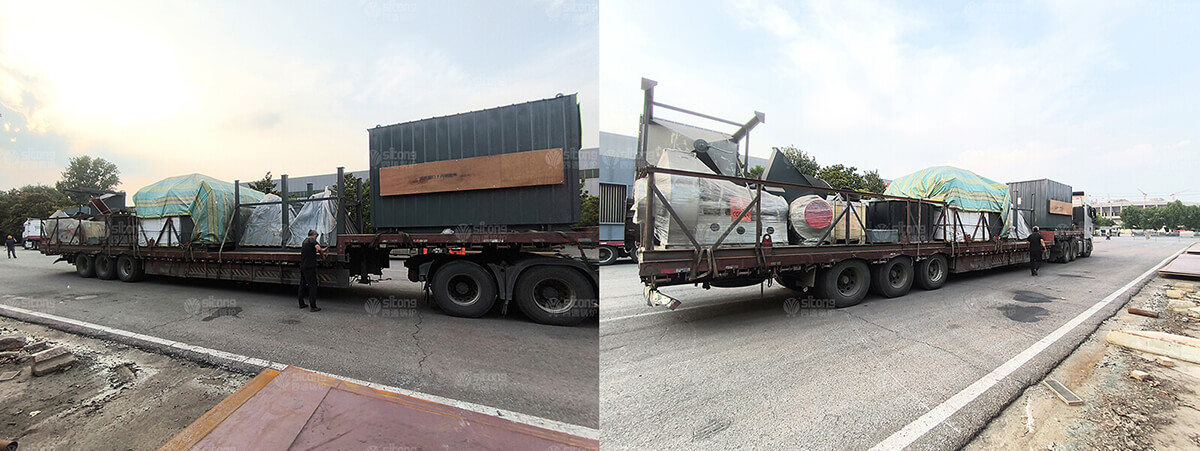
A large agricultural product deep processing enterprise in the Philippines reached cooperation with
Sitong boiler who mainly engages in nut and dried fruit dehydration processing requiring continuous and stable clean high-temperature hot air. The original diesel heating system of the plant has high operating costs and is greatly affected by international fuel price fluctuations. At the same time, the plant can recycle a large amount of agricultural and forestry processing waste such as olive pomace and walnut shells. The customer hopes to convert the waste agricultural and forestry materials into production heat sources, reduce energy consumption costs, and comply with local renewable energy policies. Therefore, it has proposed a customized biomass hot air stove procurement demand to
Sitong boiler.
Sitong boiler's technical team customized the ZWRF-4200SCII specialized hot air stove based on the fuel characteristics and drying process parameters of the customer's site for burning olive residue and walnut shells. It has completed equipment manufacturing and shipping, delivered it to the Philippines factory, and It will be connected it to the entire drying production line for use in the near future.
Sitong boiler's ZWRF-4200SCII hot air stove can adapt well to the customers' local olive pomace and walnut shell fuels. It can operate stably, solving the customer's waste disposal problem and significantly reducing the company's heating expenses. Therefore, the customer is very satisfied with
Sitong boiler's customized hot air stove solution.
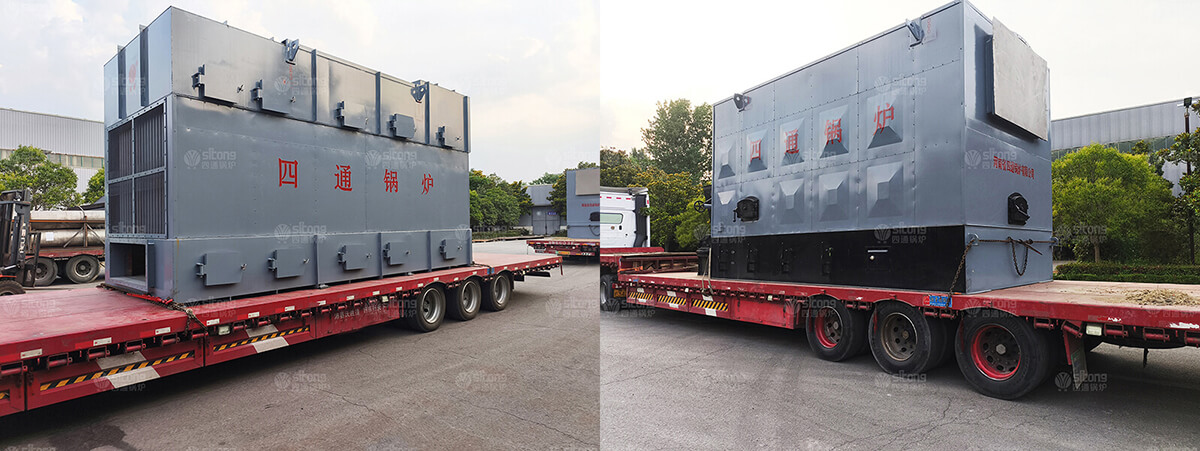
The ZWRF-4200SCII series hot air stove from
Sitong boiler is specially optimized for biomass fuel conditions. It has strong compatibility with fruit shell fuels such as olive pomace and walnut shells, sufficient combustion, and high thermal efficiency. The clean hot air it outputs can meet the requirements of heat source quality for drying agricultural products and avoid material pollution by smoke. It is also equipped with an intelligent temperature control system, with stable and controllable hot air output temperature, ensuring uniform and consistent quality of dried products and reducing the loss of defective products. At the same time, the boiler structure is easy to maintain and adapts to the on-site operating conditions of overseas factories, reducing the difficulty of later operation and maintenance. After the project is implemented, the customer can use locally sourced materials to convert discarded olive pomace and walnut shells into production heat sources, turning waste into treasure and significantly reducing the consumption of purchased fossil fuels. This not only controls production costs but also reduces carbon emissions, which is in line with the local green manufacturing development direction in the Philippines. The entire hot air stove has been sent to the Philippines after completing the factory testing. Upon arrival at the customer's site, our technical personnel will assist the company in completing on-site positioning, pipeline docking, electrical debugging, ignition and other processes, helping it to enter formal production and operation as soon as possible.
More information on LinkedIn:
https://www.linkedin.com/feed/update/urn:li:activity:7498930458060103680Delivery video on YouTube:
https://www.youtube.com/watch?v=w0nY78FII6Q